
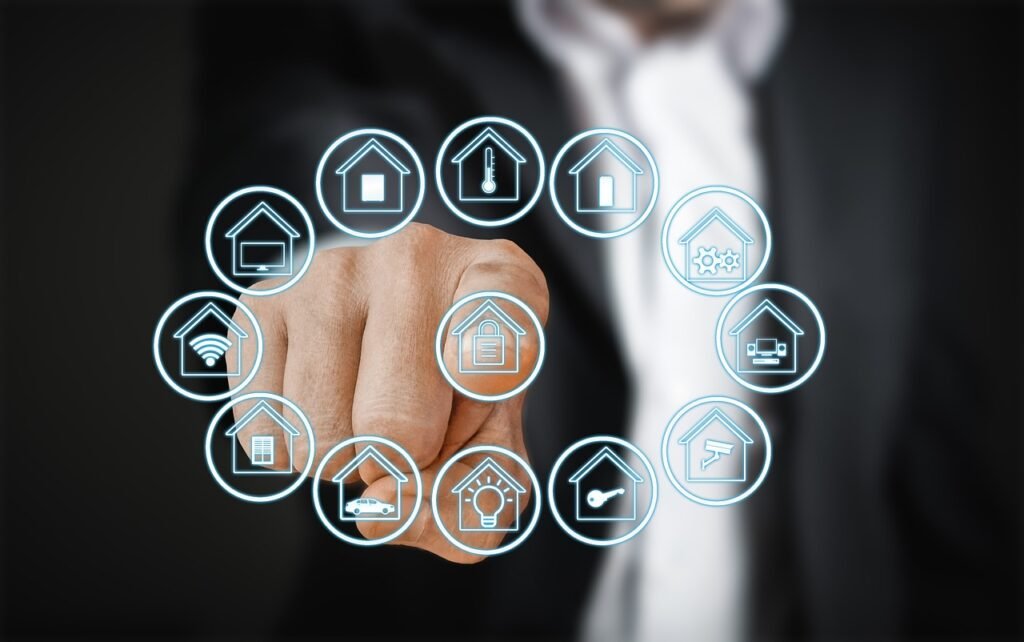
Most people still picture a smart home as a gadget show. A speaker that plays music, a bulb that changes color, maybe a doorbell camera.
That picture is already out of date. Homes today quietly track habits, cut waste, and step in before small problems turn into big ones.
The gap between owning a few smart gadgets and living in a truly connected home is wider than most people realize. That gap is exactly where the real benefits hide, and most homeowners never get to see them.
Part of the reason is cost and confusion. New devices arrive every month, each with its own app, rules, and learning curve.
Skip the setup, and you miss out on real savings, better sleep, safer nights, and hours back each week. This piece breaks down exactly how connected homes are reshaping daily life, room by room, habit by habit.
Why Smart Homes Are Becoming the New Normal?
This is no longer a niche hobby for tech fans. Global household penetration of smart home devices is roughly 82% in 2026, and that number keeps climbing.
Prices dropped as manufacturing scaled up, and setup got far simpler than it was even five years ago. A homeowner can now link a thermostat, a lock, and a few cameras in one afternoon without calling an installer.
The typical connected US household now runs about 6.2 devices at once, spread across security, lighting, sound, and heating. That spread matters because it shows people aren’t buying one gadget and stopping there.
Newer wireless standards also deserve credit. Older systems forced buyers to stick with one brand or risk devices that wouldn’t talk to each other, but shared protocols have begun closing that gap.
None of this happened because people suddenly fell in love with technology for its own sake. It happened because connected homes started solving problems that plain old houses never could.
How Smart Homes Are Changing Daily Life?
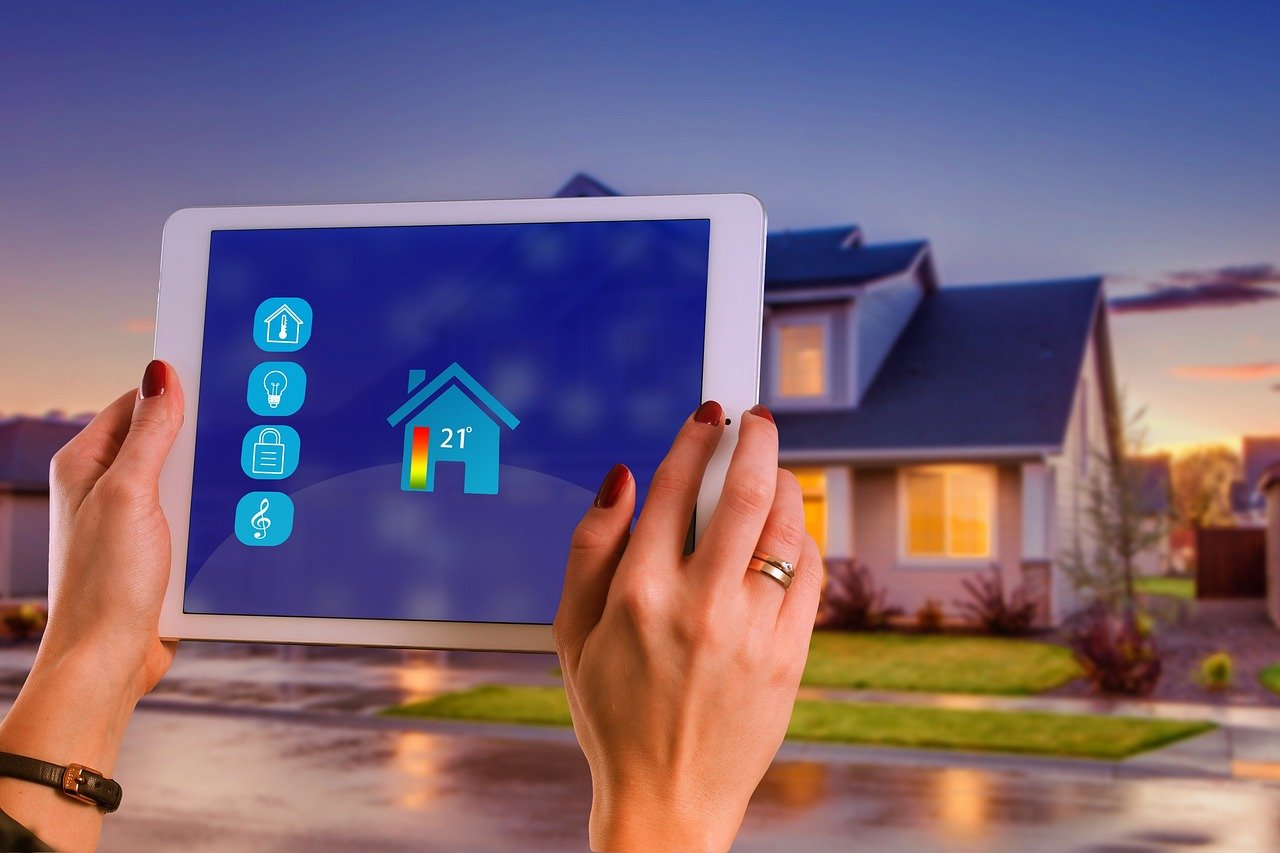
The shift shows up first in small, ordinary moments rather than dramatic ones, lights that greet you, temperatures that adjust on their own, doors that lock themselves.
Stack enough of these small moments together, and they add up to real hours saved each week. Below are the areas where that shift is most visible right now.
Mornings That Run Themselves
A connected home can start the coffee, raise the blinds, and warm the shower before your alarm even finishes ringing. None of it needs a tap or a voice command once it’s set up.
Routines like this run on simple triggers. A sensor detects motion, a clock reaches a set time, or a phone leaves a certain range, and the whole chain fires at once.
The real win isn’t the coffee itself. It’s the mental load that disappears when a dozen tiny morning decisions get made automatically, before you’re even fully awake.
Energy Bills Under Control
Smart thermostats learn when a house sits empty and quietly ease off the heating or cooling during those hours. Over a full year, that adds up to a noticeable dent in a power bill.
Households running these systems typically save close to 8% on heating and cooling costs, and the savings increase further once lighting and appliance controls are added.
Smart plugs and power strips catch a different kind of waste. Devices left on standby still draw power around the clock, and these plugs can cut that drain automatically overnight.
Solar setups paired with home batteries take this further, storing excess power during sunny hours and releasing it during peak-pricing windows. The retrofit side of the market has grown fastest for this very reason: it lets homeowners plug efficiency into a house they already own rather than one built from scratch.
Home Security That Never Sleeps
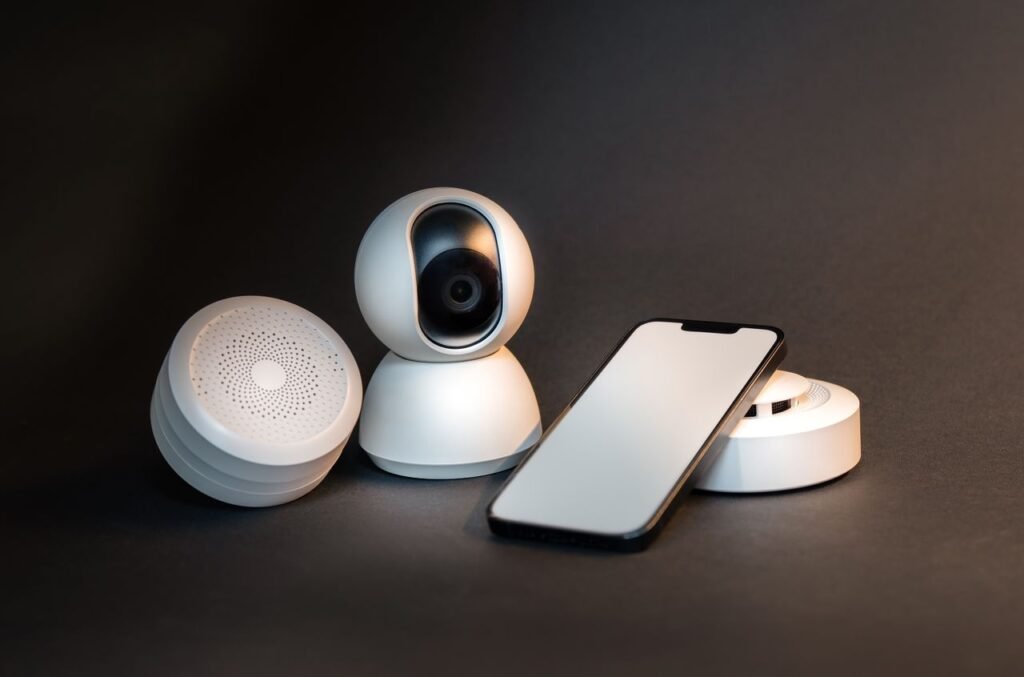
A locked door only helps if someone remembers to lock it. Smart locks remove that risk by automatically locking the moment everyone leaves.
Cameras and motion sensors add a second layer on top of that. Footage streams straight to a phone, so a homeowner sees a package thief or a stray animal in real time instead of finding out the next morning.
- Doorbell cameras reduce porch theft by allowing owners to speak to visitors remotely.
- Window sensors send instant alerts the second a pane is forced open.
- Smart locks let owners grant temporary access to guests or repair crews.
- Motion lights startle intruders before they get near the house.
These tools don’t replace good judgment, but they buy something judgment alone never could: a live view of your home, no matter where you happen to be standing.
Smart Homes and Aging in Place
For older adults, a connected home can mean the difference between staying independent and moving into assisted care years earlier than needed. This is one of the quieter but most meaningful shifts happening right now.
Fall detection sensors and wearable alerts notify family members the moment something goes wrong, often faster than a neighbor could react. Industry research from Fortune Business Insights points to remote monitoring, fall detection, and connected emergency response tools as a growing part of elder care inside the home.
Medication reminders may sound simple, but missed doses account for a large share of avoidable hospital visits among seniors. A smart pill dispenser that flashes and chimes at the right hour closes that gap without anyone needing to check in constantly.
Voice assistants also give older adults a way to call for help, adjust the thermostat, or turn off a stove burner without bending down or reaching a switch. For families living far apart, that alone can ease years of quiet worry.
Healthcare providers have started paying attention to this, since fewer emergency visits and longer independent living both lower long-term costs. Insurers in several regions now evaluate connected home data as part of care planning for aging clients.
The Role of AI and Voice Assistants
Voice control used to feel like a party trick, something you showed guests once and rarely touched again. That has changed as the assistants behind these systems have gotten noticeably sharper.
Modern systems don’t just follow commands anymore. They notice patterns, predict needs, and adjust settings before anyone has to ask.
Learning Your Habits Over Time
A thermostat that remembers you like it cooler on weeknights and warmer on weekends isn’t guessing. It’s reading months of small adjustments and building a private model of exactly how you like to live.
The same learning shows up with lighting, music, and even grocery restocking through connected fridges. Each device quietly builds its own picture of your routine, then acts on it without waiting for instructions.
This kind of prediction saves real time, but it also raises a fair question about how much a house should know about the people inside it. That tension sits at the center of where this technology heads next.
Hands-Free Living Through Voice
Cooking with messy hands, holding a baby, or managing a chronic injury all make touchscreens and switches genuinely difficult to use. Voice commands remove that barrier entirely.
A simple sentence can now dim a room, lock every door in the house, or check whether the oven got left on. For people with limited mobility, that shift turns an ordinary house into something far closer to fully accessible.
Assistants have also gotten better at understanding follow-up questions and half-finished sentences, so conversations with a smart speaker feel less like typing commands and more like actually talking to someone.
The Challenges That Come With Convenience
None of this comes free of trade-offs, and pretending otherwise would be dishonest. Privacy sits at the top of that list for most households.
A 2026 industry report from SQ Magazine puts the number of attempted cyber attacks on the average connected home at roughly 29 a day, a figure that would have sounded absurd a decade ago. Always listening microphones and cloud-connected cameras create a much bigger target than a house ever had before.
Setting up friction is a second real barrier. The same 2026 research found that more than half of new owners run into DIY installation problems, which explains why so many devices end up half-configured and quietly abandoned in a drawer.
Cost still keeps plenty of families out entirely. A full setup covering security, climate, and lighting can run into the thousands once installation and subscriptions get added up.
Reliance on a stable internet is the last piece, and it’s easy to overlook until a router fails. A house full of smart devices can suddenly feel less capable than an old-fashioned one the moment the connection drops.
What the Future of Smart Homes Looks Like?
The next stretch of growth won’t be about adding more gadgets to a shelf. It will be about those gadgets finally working together the way they always should have.
Shared standards are already pushing brands toward real compatibility instead of walled gardens. The Connectivity Standards Alliance released Matter version 1.6 in June 2026, extending coverage to appliances and home energy systems, meaning a lock from one company and a camera from another can finally speak the same language.
Health monitoring built directly into everyday fixtures is coming next. Mirrors that flag early signs of illness and floors that detect falls sound futuristic, yet early versions of both already exist in limited trials.
According to Statista’s global smart home market outlook, household penetration is expected to climb from 82.1% today to 92.5% by 2029, a jump that would put connected devices in nearly every home within a few years.
What ties all of this together is a shift away from technology you have to operate and toward technology that understands what a household needs. The house stops being a machine you manage and starts acting like a quiet partner in daily life.
That shift is already underway in millions of homes. The only real question left is how soon it reaches yours.