
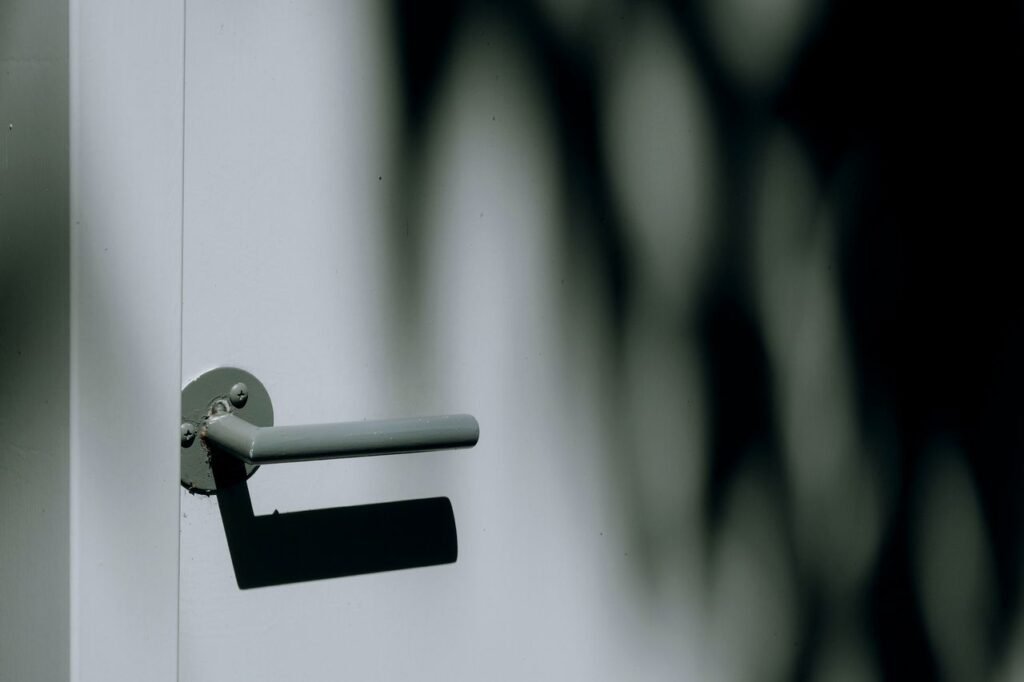
You’re staring at a pair of closet doors, or maybe a set of French doors, and something about the hardware confuses you. The knob turns on real doors, but this listing says “dummy set” and gives no clear answer.
That confusion is common because most people assume every knob works the same way. It doesn’t, and ordering the wrong type often means drilled holes that don’t match or hardware that simply won’t do what you expected.
Get this wrong on a real project, and you either return the piece or live with a mismatch every time you walk past that door. Understanding what a dummy set actually is saves both the trip back to the store and the frustration of guessing twice.
What a Dummy Set Actually Is
A dummy set is a knob or lever that never turns and never latches. It sits fixed to the surface of a door, purely for looks and grip.
Unlike normal hardware, a dummy set has no internal mechanism connecting one side of the door to the other. There’s no spindle turning a latch bolt hidden inside.
According to hardware retailer HardwareHut, a dummy set consists only of the handle and its rosette plate, mounted directly onto the door face. Nothing about it reaches into the door itself.
Because it does nothing mechanically, the door needs another way to stay shut. That job usually falls to a roller catch or a small magnet hidden near the top or side of the frame.
How a Dummy Set Differs From Passage and Privacy Hardware?
Door hardware generally falls into three functions, and mixing them up leads to the most common ordering mistakes.
- Passage sets turn freely and operate a latch, but include no lock at all.
- Privacy sets add a simple lock, typically found on bathroom and bedroom doors.
- Dummy sets neither turn nor latch, serving only as a fixed pull or decoration.
A passage knob works well between a kitchen and a hallway, where privacy doesn’t matter but the door still needs to latch shut. A dummy knob skips that function entirely and exists purely for appearance and grip.
Single Dummy vs Double Dummy Sets
Dummy hardware comes in two basic setups, and the difference matters once you start ordering for an actual project. Getting the count wrong means one side of a door pair ends up bare.
Both versions share the same non-turning design. What changes is how many doors, and how many sides of each door, actually need hardware attached.
Single Dummy Knobs and Levers
A single dummy set covers just one side of one door. You’ll typically find this on a closet or pantry door where only the outward-facing side needs a handle.
The hidden side, often facing the inside of the closet, stays bare or gets a minimal plate. Since nobody opens the door from that direction, extra hardware there would serve no purpose.
Double Dummy Sets for Paired Doors
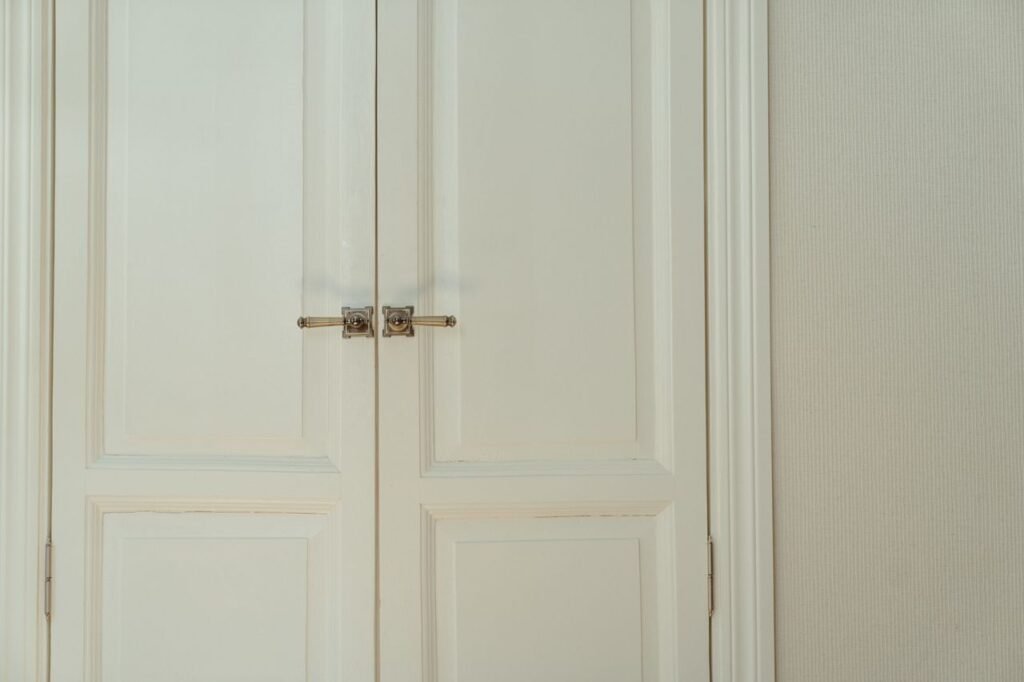
A double dummy set includes two knobs, mounted on opposite faces, each installed independently rather than connected through the door. This shows up most often on French doors or formal double-entry doors where one leaf stays fixed in place.
The active door in that pair carries the real, functioning hardware. The inactive leaf gets the double dummy set instead, purely to match the look from both sides.
Matching height, finish, and projection across both leaves matters here. A double dummy knob that sits slightly off from its working counterpart breaks the visual rhythm of the whole doorway.
Where Dummy Sets Typically Get Used?
Certain door types call for this hardware far more often than others, mostly because latching would serve no real function there.
- Closet and pantry doors, especially where a magnetic or roller catch holds the door shut.
- The inactive leaf of French doors or other paired entry doors.
- Bifold closet doors that fold rather than swing on a standard latch.
- Decorative double doors where symmetry matters more than mechanical function.
In every one of these cases, something other than the knob keeps the door in place. The hardware exists to complete the look, not to do the actual work of holding the door shut.
How the Door Stays Closed Without a Latch?
Since a dummy set has no latch bolt, the door needs a separate closing method built into the frame or jamb itself. Two options cover most homes.
A roller catch uses a small spring-loaded ball mounted near the top of the door. It presses into a strike plate on the frame, holding the door shut with light pressure alone.
A magnetic catch works on a similar idea but relies on a magnet and a metal plate instead of a spring mechanism. Both types let you close the door firmly without any moving parts in the handle.
According to Emtek’s guide to door hardware functions, these fixed, non-functional dummy sets exist specifically to give doors that don’t need latching a matching, finished appearance.
Choosing and Installing a Dummy Set
A few practical points make the difference between a clean result and a mismatched one once you’re ready to buy and install.
- Match the finish and style to your working hardware elsewhere in the home.
- Confirm whether you need a single or double dummy before ordering.
- Check the backset and door thickness match your existing predrilled holes.
- Install a roller or magnetic catch separately, since the knob won’t provide one.
- Keep mounting height consistent with your other door hardware for a uniform look.
Since dummy sets mount directly to the surface, installation usually takes only a few screws and no chiseling for a latch pocket. That simplicity is part of why builders reach for them so often on doors that never needed to lock or latch in the first place.